NEET UG 2026 and Your Path to a Bachelor Degree in Ayurvedic Medicine: Everything You Need to Know
Home / BAMS / NEET UG 2026 and Your Path to a Bachelor Degree in Ayurvedic Medicine: Everything You Need to Know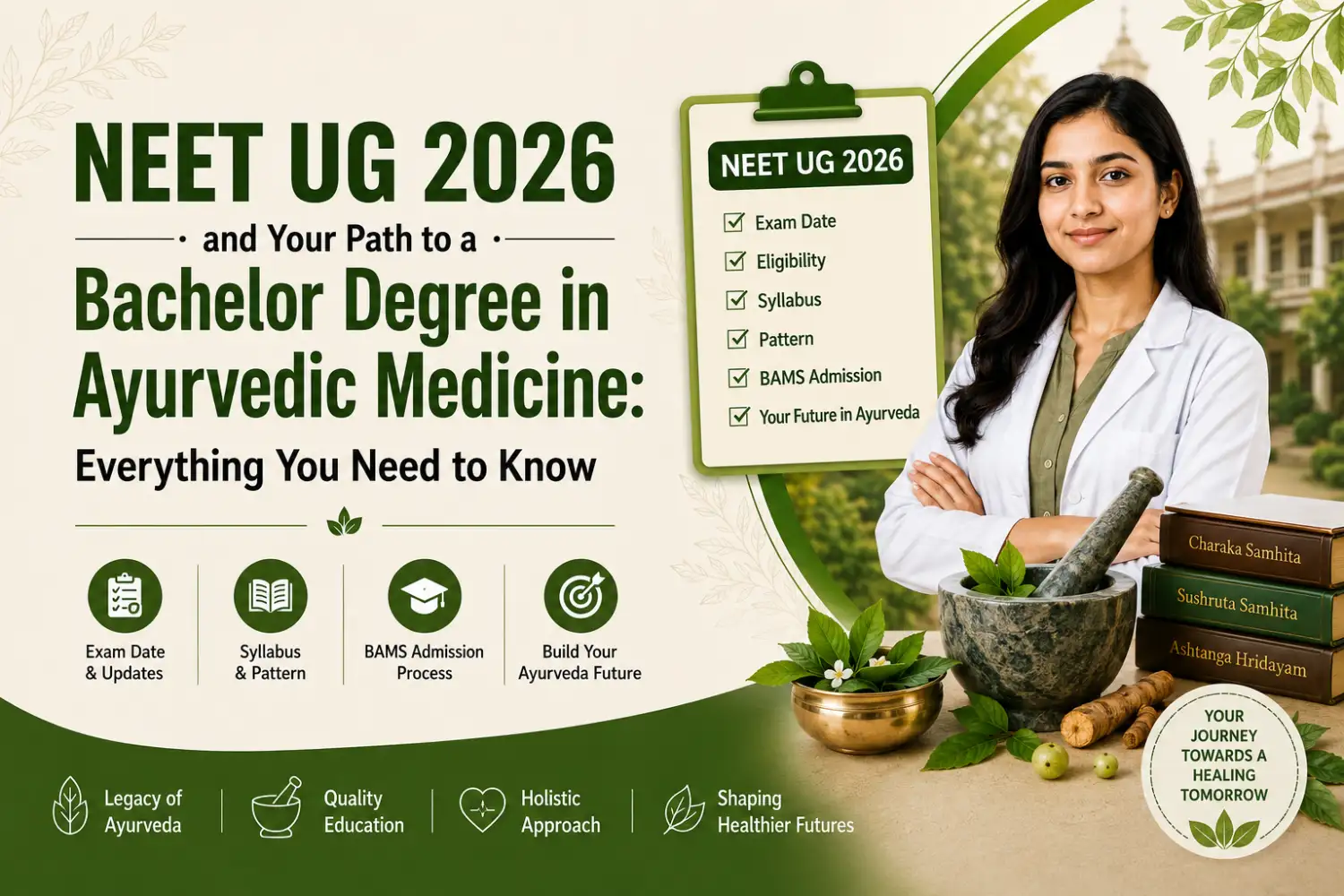
So, you’ve decided to heal people the way your ancestors did — using nature, science, and a deep understanding of the human body. That’s a beautiful choice. And right now, there’s one thing standing between you and that dream: NEET 2026.
In this blog, you can get to know about NEET 2026 — the exam date, syllabus, eligibility — and why thousands of Ayurveda aspirants from across North India choose us every year.
Let’s get into it.
What Is BAMS and Why Is It Worth Pursuing?
A bachelor degree in ayurvedic medicine — officially known as Bachelor of Ayurvedic Medicine and Surgery (BAMS) — is a 5.5-year undergraduate programme (including a 1-year compulsory internship) that trains students to become qualified Ayurvedacharyas. It’s one of the most respected healthcare degrees in India today, and for good reason.
The world is waking up to the power of traditional medicine. From wellness tourism to government-backed AYUSH hospitals, from integrative medicine clinics to private practice — the career pathways after completing a bachelor degree in ayurvedic medicine are wider and more exciting than ever before.
But before any of that begins, you need to clear NEET 2026.
What Is NEET 2026?
NEET 2026 (National Eligibility cum Entrance Test) is the single national-level entrance exam conducted by the National Testing Agency (NTA) for admissions to MBBS, BDS, BAMS, BHMS, BUMS, and other health science programmes across India. Whether you’re targeting a government Ayurvedic college or a reputed private institution, your NEET 2026 score is the one credential that matters most.
There’s no state-level shortcut, no alternative exam. NEET 2026 is the only gateway — and that’s actually a fair, transparent system that gives every deserving student an equal shot.
NEET UG 2026 Exam Date — An Important Clarification
There has been some confusion circulating online about the NEET 2026 exam date. Let’s set the record straight with the official information:
NEET UG 2026 is going to be held on Sunday, 3 May 2026, in a single afternoon shift from 2:00 PM to 5:00 PM IST. The admit cards were released by NTA on 26 April 2026.
| Event | Date |
|---|---|
| Registration Window | 8 February – 8 March 2026 |
| Admit Card Released | 26 April 2026 |
| NEET UG 2026 Exam Date | 3 May 2026 (Sunday) |
| Result (Expected) | Second/Third week of June 2026 |
If you’ve already decided to appear for the exam — congratulations on taking that step! Results are expected in June 2026, after which AYUSH counselling and BAMS admissions will commence. Keep checking neet.nta.nic.in for the latest updates.
If you’re reading this while planning for a future attempt, use this time wisely to prepare, understand the admission process, and shortlist colleges — including DJ Ayurveda College.
NEET 2026 Eligibility Criteria
Before diving into preparation, make sure you meet the basic requirements:
- Age: Minimum 17 years as of December 31, 2026. No upper age limit as per the Supreme Court ruling.
- Qualification: Must have passed Class 12 (or equivalent) with Physics, Chemistry, and Biology/Biotechnology.
- Minimum Marks: General category students need at least 50% aggregate in PCB. SC/ST/OBC candidates need 40%, and PwD candidates need 45%.
- Nationality: Indian nationals, NRIs, OCIs, and foreign nationals are all eligible.
NEET 2026 Syllabus — What Do You Actually Need to Study?
One of the most common questions every year is: “What is the NEET 2026 syllabus?” And it’s a fair question — knowing what to study is half the battle.
The NEET 2026 syllabus is based on the NCERT curriculum for Classes 11 and 12, covering three subjects:
Physics (Classes 11 & 12)
The NEET 2026 syllabus for Physics covers Laws of Motion, Work & Energy, Thermodynamics, Electrostatics, Current Electricity, Magnetic Effects of Current, Optics, Dual Nature of Matter, Atoms & Nuclei, and Electronic Devices. Physics trips up a lot of BAMS aspirants — don’t ignore it.
Chemistry (Classes 11 & 12)
The NEET 2026 syllabus for Chemistry spans Physical, Organic, and Inorganic Chemistry. Key topics include Chemical Bonding, Equilibrium, Thermodynamics, Coordination Compounds, Hydrocarbons, Biomolecules, and Polymers. Organic Chemistry typically carries high weightage — give it extra attention.
Biology (Classes 11 & 12)
Biology is the heart of NEET, especially if you’re aiming for a BAMS degree. The NEET 2026 syllabus for Biology covers Diversity in Living World, Cell Biology, Plant & Human Physiology, Genetics & Evolution, Ecology, Biotechnology, and Human Health & Disease. Biology accounts for 90 out of 180 questions — it’s where your score is built.
Pro tip: NCERT is your bible. Read it cover to cover, multiple times. Every line matters.
NEET 2026 Exam Pattern — A Quick Overview
| Subject | No. of Questions | Marks |
|---|---|---|
| Physics | 45 (35 attempted) | 140 |
| Chemistry | 45 (35 attempted) | 140 |
| Biology (Botany + Zoology) | 90 (70 attempted) | 280 |
| Total | 180 | 560 |
Each correct answer fetches +4 marks; each wrong answer deducts 1 mark. Total duration: 3 hours 20 minutes.
What NEET Score Do You Need for BAMS Admission?
For government Ayurvedic colleges, a strong NEET 2026 percentile (generally above 70–80, depending on the state) is required. For reputed private BAMS colleges, the cutoff is more accessible — but don’t take that to mean “easy.” A decent NEET 2026 score still gives you a significant edge, and it may also make you eligible for merit-based scholarships.
Seats at private BAMS colleges are filled through state AYUSH counselling (for state quota seats) and management quota seats directly through the institution.
Why Choose DJ Ayurveda College for Your BAMS Degree?
Once you have your NEET 2026 scorecard, the next big decision is where you study. And that choice matters enormously — the college you pick will shape your clinical skills, your professional network, and your identity as a healthcare professional.
Here’s why Divya Jyoti Ayurvedic Medical College & Hospital (DJ Ayurveda College), Modinagar, stands out.
1. Part of the 25+ Year Legacy of the DJ Group of Institutions
DJ Ayurveda College is part of the Divya Jyoti (DJ) Group of Institutions, founded in 1997 under the Jassar Dental Medical Education Health Foundation. With over 25 years of experience in medical education — across dental, nursing, pharmacy, and Ayurvedic colleges — the Group has built a reputation for academic seriousness and student success that newer institutions simply cannot match.
2. Approved by NCISM & Ministry of AYUSH, Affiliated to a Recognised University
The college is approved by the National Commission for Indian System of Medicine (NCISM) and the Ministry of AYUSH, Government of India. It is affiliated to a recognised university, ensuring that your bachelor degree in ayurvedic medicine carries full national and international recognition.
3. Uttar Pradesh’s Largest Private Ayurvedic Medical College
DJ Ayurveda College is spread across a 75-acre campus in Modinagar, Ghaziabad — making it the largest private Ayurvedic medical college in Uttar Pradesh. This is not just a number. It means space to learn, breathe, grow, and live the full residential college experience that a 5.5-year programme demands.
4. 650-Bedded Hospital for Unmatched Clinical Exposure
For BAMS students, clinical training is everything. You can’t become a skilled Ayurvedacharya by only reading textbooks. DJ Ayurveda College has a 650-bedded Ayurvedic hospital on campus — one of the largest in the region — giving students consistent, hands-on patient interaction across all departments from early in the programme.
5. Highly Qualified Faculty with Specialisations in Panchakarma, Kayachikitsa & More
The faculty at DJ Ayurveda College includes postgraduates and senior specialists in disciplines like Panchakarma, Ksharasutra, and Kayachikitsa. The college maintains a favourable student-to-teacher ratio that allows for personalised mentoring — something large, overcrowded institutions struggle to provide.
6. Research Collaboration with CCRAS
Ayurveda is not just ancient wisdom — it’s an evolving science. DJ Ayurveda College’s research centre actively collaborates with CCRAS (Central Council for Research in Ayurvedic Sciences), contributing to the scientific advancement of Ayurvedic medicine. For students who want to go beyond clinical practice into research and academics, this is an incredible advantage.
7. Attracts Over 2,000 Applications for Just 100 Seats
Every year, more than 2,000 students apply for just 100 BAMS seats at DJ Ayurveda College. That kind of demand doesn’t happen by accident — it reflects the institution’s reputation for quality education and strong outcomes.
8. World-Class Hostel with Capacity for 600 Students
Students from outside Ghaziabad and Delhi NCR can stay in comfortable, secure hostel facilities on campus. The hostel accommodates up to 600 students, with double and triple sharing AC rooms, dedicated study rooms, a badminton court, dining facilities, and round-the-clock CCTV surveillance. Living on campus during a rigorous medical programme isn’t just convenient — it’s transformative.
9. Excellent Connectivity via Delhi-Meerut Expressway & Namo Bharat RRTS
DJ Ayurveda College is located at Niwari Road, Modinagar, Ghaziabad (UP) — just off the Delhi-Meerut Expressway. The college is approximately 50–55 km from central Delhi, and there’s now a daily shuttle service from Modinagar North Station on the Namo Bharat RRTS. If you’re from Delhi, Noida, Meerut, Hapur, or surrounding areas, getting here is genuinely easy.
10. Complete Campus Ecosystem
Beyond academics and clinical training, DJ Ayurveda College offers a full campus life: Wi-Fi across the campus, a well-stocked library with books on both traditional and modern medicine, sports facilities (volleyball, basketball, badminton, cricket, table tennis, football), ATM and banking on campus, medical card facilities for students, and cultural activities throughout the year.
The BAMS Programme at DJ Ayurveda College — What to Expect
The bachelor degree in ayurvedic medicine here is a 5.5-year programme — 4.5 years of academic and clinical training followed by 1 year of compulsory rotating internship. Over the course of your studies, you’ll rotate through all major Ayurvedic departments, including Kayachikitsa (Internal Medicine), Shalya Tantra (Surgery), Panchakarma, Prasuti Tantra & Stri Roga (Obstetrics & Gynaecology), Kaumarbhritya (Paediatrics), Dravyaguna (Pharmacognosy), Roga Nidana (Diagnosis), Swasthavritta (Preventive Medicine), and more.
Graduates go on to practice as Ayurvedic physicians, work in government AYUSH hospitals, pursue postgraduate MDS or MD (Ayurveda) programmes, enter wellness and integrative medicine, or explore Ayurvedic research and academics.
How to Apply for BAMS Admission at DJ Ayurveda College After NEET 2026
- Appear for and qualify NEET 2026
- Receive your NEET 2026 scorecard (expected June 2026)
- Register for UP AYUSH state counselling for state quota seats
- For management quota or direct admission enquiries, contact DJ Ayurveda College directly
Visit: djayurvedacollege.com Address: Ajit Mahal, Niwari Road, Modinagar, Distt. Ghaziabad, UP – 201204
Final Thoughts
Ayurveda is having a moment — and it’s not just a trend. The global shift towards holistic, preventive healthcare is real, and a bachelor degree in ayurvedic medicine from a reputed institution like DJ Ayurveda College puts you right at the centre of that wave.
NEET 2026 is your first step. Study the syllabus methodically, practise with mock tests, stay consistent, and trust the process. Once you have that scorecard in hand, make sure your college choice is as strong as your preparation.
At DJ Ayurveda College, you won’t just earn a degree — you’ll become an Ayurvedacharya with the clinical skills, the research exposure, and the professional foundation to make a real difference in people’s lives.
Disclaimer: NEET UG 2026 exam dates and related information are subject to official notifications by NTA. Always refer to the official NTA website (neet.nta.nic.in) for the latest updates. The NEET 2026 exam date mentioned in this blog (May 3, 2026) is based on the official NTA schedule.
Frequently Asked Questions
Yes, absolutely. NEET 2026 is mandatory for admission to the BAMS programme at every Ayurvedic medical college in India — government or private. There is no BAMS admission without a valid NEET 2026 score.
The NEET 2026 syllabus covers Physics, Chemistry, and Biology (Botany & Zoology) from Classes 11 and 12, based primarily on NCERT textbooks. For BAMS aspirants, Biology is the most critical subject, accounting for 90 out of 180 questions. Focus heavily on Human Physiology, Genetics, Ecology, and Biotechnology.
For management quota seats, there is no officially declared minimum cutoff — but a competitive NEET 2026 score improves your chances and may make you eligible for merit-based scholarships. For state quota seats, you must participate in UP AYUSH counselling, where seats are allocated based on your NEET rank.
DJ Ayurveda College is located at Ajit Mahal, Niwari Road, Modinagar, Distt. Ghaziabad, UP — just off the Delhi-Meerut Expressway, roughly 50–55 km from central Delhi. There's also a daily shuttle service from Modinagar North Station on the Namo Bharat RRTS, making the commute genuinely convenient for students from across NCR.
The bachelor degree in ayurvedic medicine at DJ Ayurveda College is a 5.5-year programme — 4.5 years of academic and clinical training followed by a 1-year compulsory rotating internship across all major Ayurvedic departments.
Yes. The college has on-campus hostel facilities with a capacity for up to 600 students, offering double and triple sharing AC rooms, study rooms, dining facilities, a badminton court, and 24/7 CCTV security. Hostel is optional — day scholars are equally welcome.
Yes. Students from all states across India can apply for management quota seats — there is no state restriction. Students from other states may also be eligible for All India Quota seats through NEET 2026 counselling.
BAMS graduates have a wide range of career pathways — including practicing as an Ayurvedic physician in hospitals or private clinics, working in government AYUSH healthcare centres, pursuing postgraduate MD/MS (Ayurveda) programmes, entering the wellness and integrative medicine industry, or contributing to Ayurvedic research and academics. DJ Ayurveda College's collaboration with CCRAS also opens early doors into the research domain.
Related Blogs
How NEP 2020 Is Transforming Ayurvedic Education in India
Education in India has been changing faster than we can keep track of. But for…
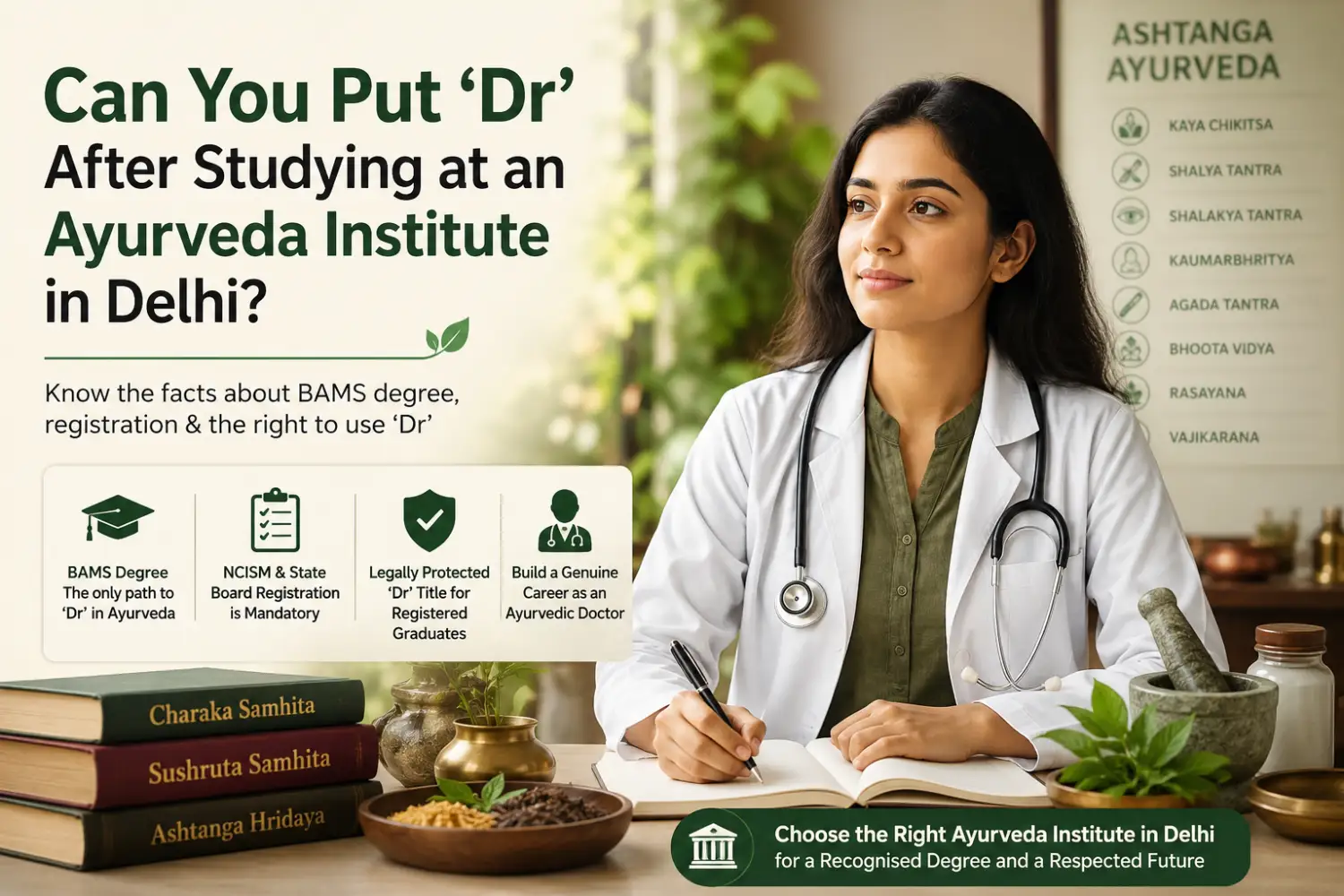
Can You Put ‘Dr’ After Studying at an Ayurveda Institute in Delhi?
Yes, but only if the course is a full BAMS degree. A graduate of an…
What Is the Starting Salary From Private BAMS Colleges in India?
The starting salary from private BAMS colleges in India usually falls between ₹2.5 lakh and…
Sinusitis Cure in Ayurveda: Shalakya Tantra Guide
INTRODUCTION Current healthcare data suggests that chronic sinusitis impacts over 30 million individuals annually, creating…
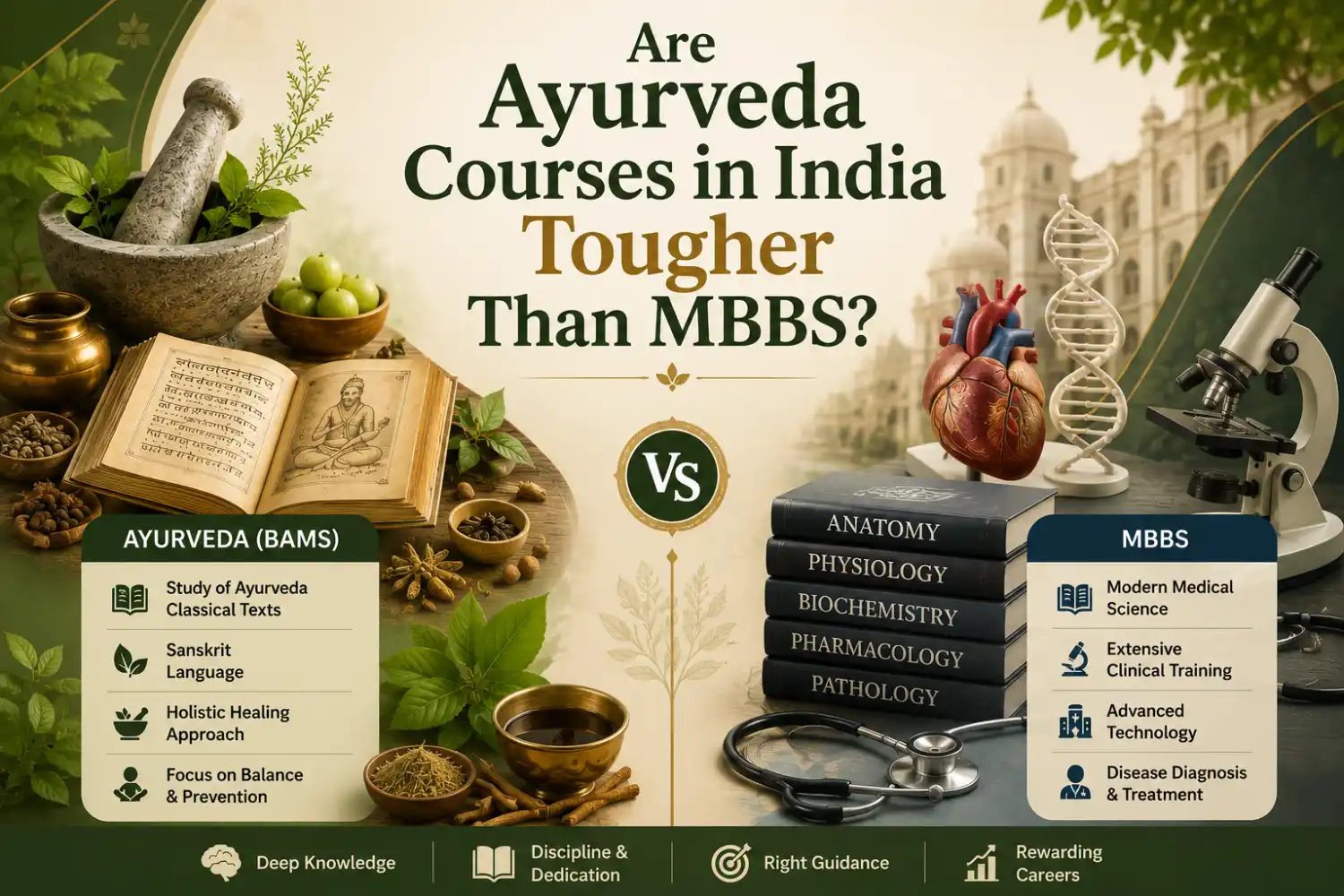
Are Ayurveda Courses in India Tougher Than MBBS?
Ayurveda courses in India are not easier than MBBS. They are difficult in a different…
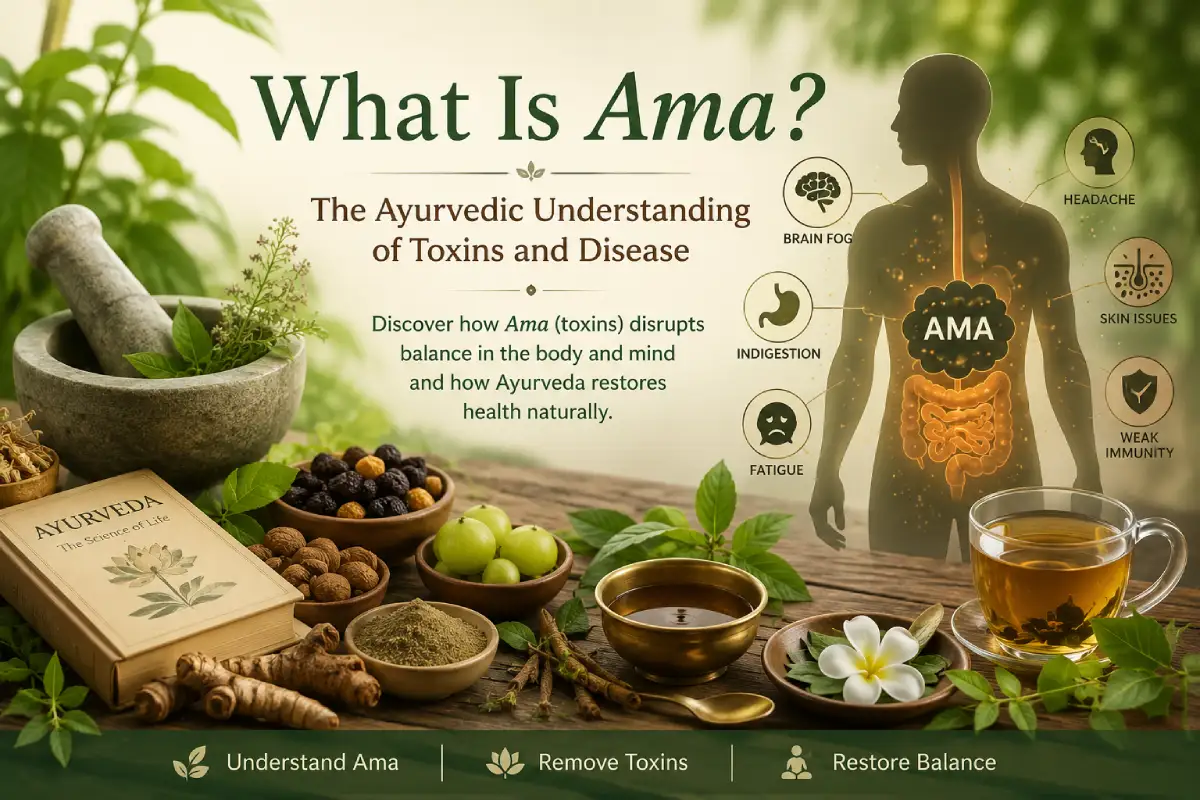
What Is Ama? The Ayurvedic Understanding of Toxins and Disease
Quick Update Ama is the heavy, sticky residue formed when agni, the digestive fire, is…