Panchakarma for Weight Loss: Does It Really Work?
Home / BAMS / Panchakarma for Weight Loss: Does It Really Work?
INTRODUCTION
Current health statistics indicate that obesity affects nearly 5% of India’s population, a figure that is steadily rising due to sedentary urban lifestyles. This prevalence has driven a significant increase in the demand for authentic Ayurvedic treatments for chronic illness. Unlike quick-fix diets that often fail, Panchakarma administered at a dedicated Panchakarma Ayurvedic hospital addresses the metabolic root of the problem. This article explores the clinical validity of these purification therapies, rooted in the rigorous curriculum taught at premier Ayurveda colleges in India.
What Is Sthoulya in Ayurvedic Terms?
In Ayurvedic clinical theory, obesity is termed Sthoulya. It is not merely an accumulation of weight but a systemic metabolic disorder. The Charaka Samhita, a foundational text, categorises it as a Santarpanajanya Vyadhi (a disease caused by over-nourishment).
The pathology begins when Ama (metabolic toxins) impairs the Medodhatu (fat tissue). This blockage disrupts the movement of Vata (air element), aiming to increase appetite while slowing down metabolism. Through Prakriti Analysis (body constitution assessment), physicians often find that individuals with a dominant Kapha dosha—composed of earth and water elements—are most susceptible. These individuals tend to retain fluids and fat, creating a physiological state akin to carrying excess baggage that hinders daily movement.
How Does Panchakarma Target Weight Gain?
The primary mechanism of Panchakarma is Shodhana (bio-purification). It does not focus on calorie restriction alone but on restoring Agni (digestive fire). When Agni is robust, the body naturally burns excess fat rather than storing it.
Classical texts like the Ashtanga Hridaya describe how these therapies clear the Srotas (channels). Once the toxins are expelled, the cellular metabolism functions efficiently. Documented clinical cases show that sustained practice yields measurable reductions in visceral fat.
The therapy process typically involves:
- Vamana: Therapeutic emesis to remove Kapha toxins from the upper respiratory and gastric tracts.
- Basti: Medicated enemas that nourish the colon and balance the Vata dosha, which regulates elimination.
- Udvartana: A specialised dry powder massage that exfoliates and liquefies subcutaneous fat.
What Causes Obesity According to Nidana?
Understanding the Nidana (etiology or cause) is crucial for successful treatment. The Sushruta Samhita links Sthoulya directly to lifestyle errors that mirror modern habits.
The primary causative factors include:
- Madhura Ahara: Excessive intake of sweet, heavy, and oily foods.
- Diwasvapna: The habit of sleeping during the day, which slows metabolism.
- Avyayama: A lack of physical exertion.
These factors lead to Medovaha Srotas Dushti (blockage of fat channels). Think of this like a kitchen drain clogged with grease; even if water (nutrition) is poured in, it backs up, causing stagnation and accumulation.
Which Procedures Aid Weight Loss?
In a clinical setting, Panchakarma for weight loss is not a singular event but a sequence. It begins with Poorvakarma (preparatory procedures) like Snehana (oleation) and Swedana (fomentation) to loosen the toxins.
The following table outlines the core therapies used for Sthoulya:
|
How Does Prakriti Influence Therapy Outcomes?
Standardised protocols rarely work in Ayurveda because every patient is unique. A qualified physician uses the science of pulse diagnosis to assess the patient’s status before prescribing treatment.
- Kapha Prakriti: These individuals generally require stronger, drying therapies like Udvartana to counteract their natural heaviness.
- Pitta Prakriti: They benefit from cooling, purifying treatments; if Basti is used, the herbal decoctions are adjusted to be less heating.
- Vata Prakriti: While they are less prone to obesity, if they do gain weight, they require oil-based nourishment to prevent tissue degeneration.
What Lifestyle Guidance Follows Weight Loss Treatment?
The success of Panchakarma depends heavily on the post-treatment regimen, known as Samsarjana Krama. Without strict adherence to Pathya (wholesome regimen), the channels may become blocked again.
Key lifestyle modifications include:
- Dietary Changes: Incorporating light grains (like millet) and bitter greens while avoiding Guru Ahara (heavy, hard-to-digest foods).
- Dinacharya: Aligning with the daily rhythm, such as waking up before sunrise (Brahma Muhurta) and drinking warm water to aid digestion.
- Vyayama: Engaging in regular Yoga asanas that enhance flow through the Srotas, rather than just mechanical gym exercises.
Why Is Institutional Expertise Critical?
The complexity of these treatments underscores why they are a core component of the BAMS course syllabus. At Ayurveda colleges in India, students undergo rigorous training to manage obesity protocols safely.
In an NABH-accredited teaching hospital, the approach is strictly academic and evidence-based:
- Students spend over 200 hours mastering procedures like Virechana.
- There is a deep integration of holistic healthcare education with clinical case studies in weight management.
- Research in herbal pharmacology studies (Dravyaguna) ensures that the medicines used are authentic and potent.
This academic depth ensures that patients receive care that is not just experimental but rooted in centuries of verified science.
Conclusion
We invite you to participate in educational workshops on Panchakarma at our campus to explore these principles firsthand and understand the discipline behind the cure.
Follow Us: Facebook | X | LinkedIn | You Tube
Frequently Asked Questions
It effectively reduces Ama and boosts Agni. Documented studies show a loss of 2–9 kg, though results depend entirely on the patient's adherence to diet post-treatment.
Individuals identified with Sthoulya through Nidana and Prakriti assessment respond best, particularly those with high Kapha dominance.
If the patient follows Dinacharya and seasonal Rasayana, the results are sustainable. However, returning to a sedentary lifestyle will reverse the gains.
Related Blogs

Best BAMS Colleges in UP: BAMS Admission 2027 Eligibility, NEET Requirements, Counselling and Fees
The best BAMS colleges in UP take admission only through NEET UG scores, followed by…
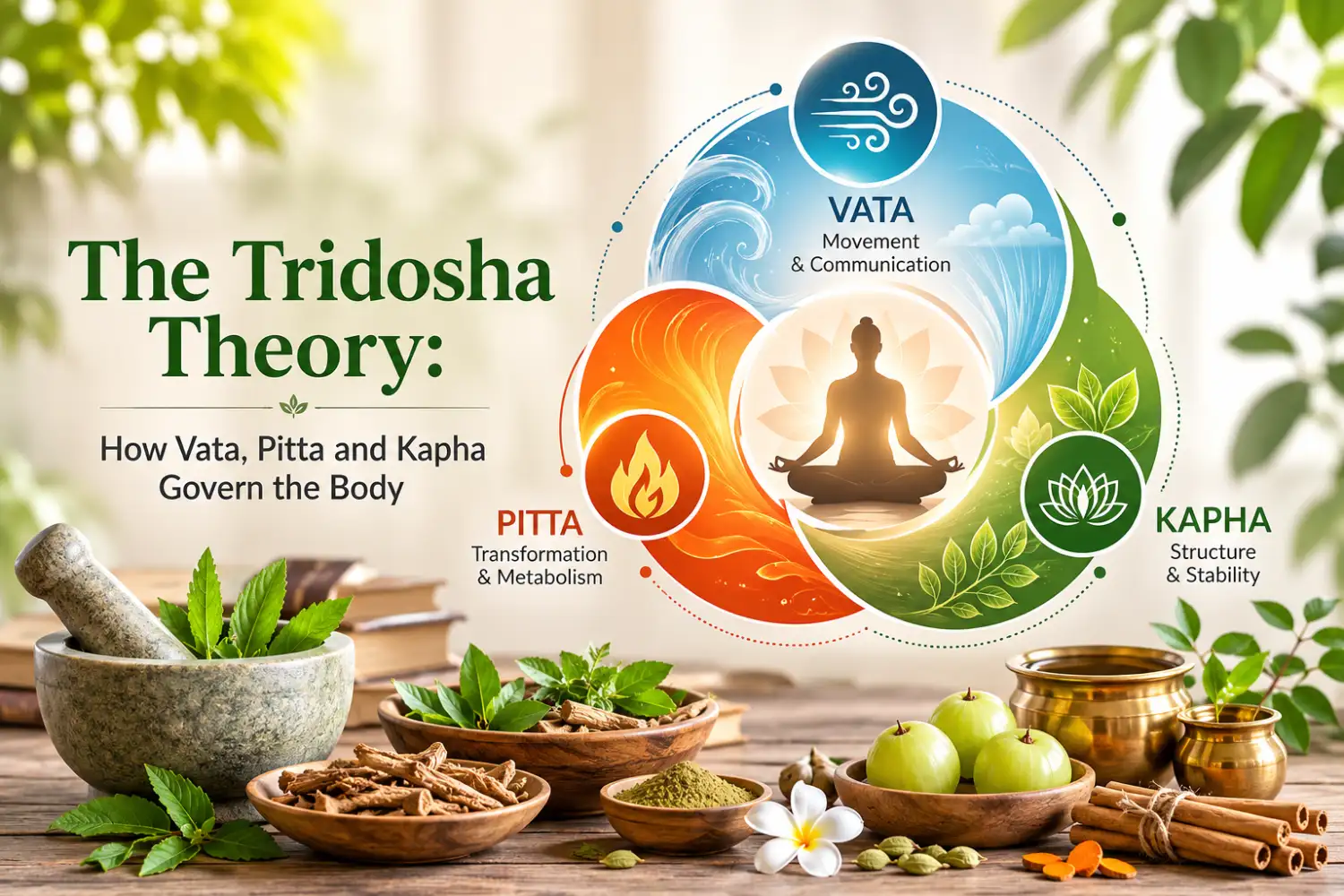
The Tridosha Theory: How Vata, Pitta and Kapha Govern the Body
The Tridosha theory is the foundation of Ayurvedic physiology. It holds that three functional energies,…

Is BAMS a Safe Career Choice In This Age of Modern Sciences?
INTRODUCTION Current healthcare trends indicate a seismic shift in patient preference. The Ayush sector in…

BAMS to Hospital Management: Can Ayurveda Graduates Enter Healthcare Administration?
Yes. A BAMS graduate can move into healthcare administration. Most MBA and MHA programmes in…
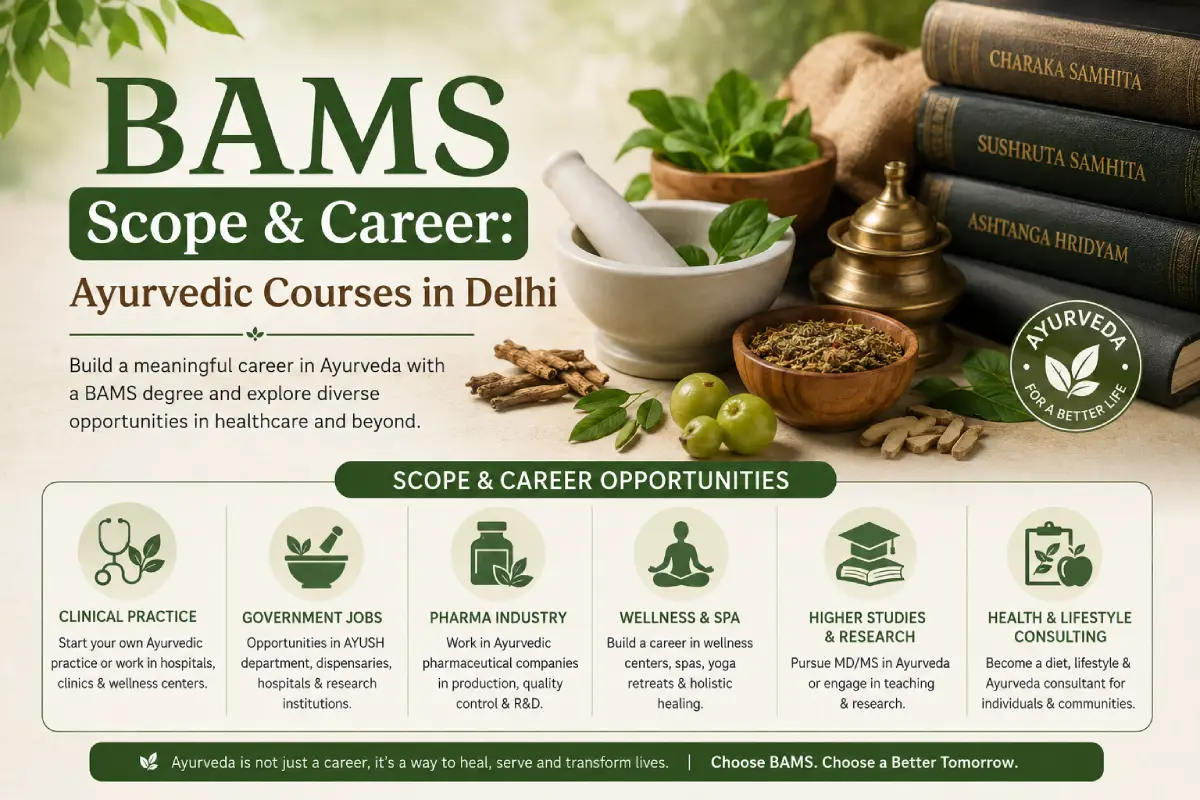
Scope and Career After a BAMS Degree in India: What the Top Ayurvedic Courses in Delhi Lead To
A BAMS degree, the Bachelor of Ayurvedic Medicine and Surgery, qualifies a graduate to practise…
Can You Practise Modern Medicine With Ayurvedic Courses in Delhi?
No , a BAMS degree from ayurvedic courses in Delhi does not give a graduate…