
Ayurveda in the Age of AI – How Technology is Changing BAMS Careers
Home / BAMS / Ayurveda in the Age of AI – How Technology is Changing BAMS Careers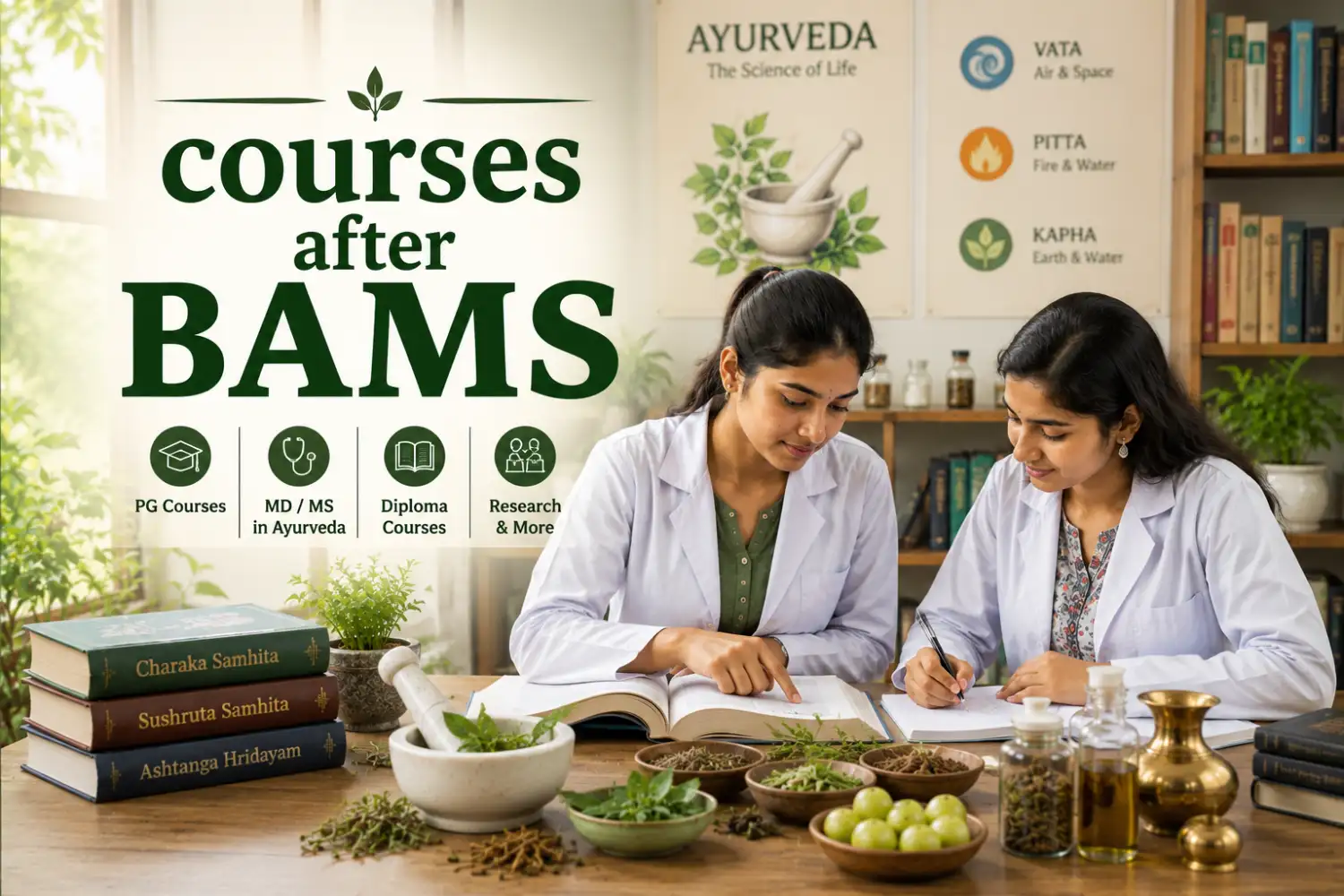
When you think of courses after BAMS, what comes to mind, traditional specializations, or something fresh, dynamic? Today, technology opens new corridors for BAMS graduates, from integrative diagnostics to online consults. Digital tools and platforms now empower them to step into roles that blend centuries-old wisdom with modern precision.
Which technology trends are BAMS graduates riding?
Recent discussion highlights these directions:
- Clinical decision support tools are emerging even in traditional systems, guiding diagnostics with layered databases and inference engines.
- Telehealth and remote consultations are becoming common. BAMS graduates offer consultations via platforms after receiving live certification or orientation in e-Ayush systems.
- Data-driven personalization—leveraging genomics, lifestyle data, and analytics—enables individually tailored Ayurvedic treatment plans. These shifts provide an edge to professionals completing advanced MD courses after BAMS focused on clinical research or diagnostics.
Which MD courses after BAMS combine heritage with modern rigor?
Here are courses that fuse tradition with technology and yield real-world results:
- MD in Ayurveda: A three-year master’s program through AIAPGET exam. Specializations might include internal medicine, surgery, obstetrics, or toxicology—blending diagnostic precision with age-old wisdom. (source)
- MS/MD (Ayurveda): Offered across institutions, with fees ranging from INR 25,000 to INR 4 lakhs per annum. These courses prepare you to make clinical decisions supported by modern diagnostics. (source)
- Diploma in Clinical Research, PG Diploma in Drug Regulatory Affairs, or M.Sc. Health Sciences: These programs equip you with data interpretation, trial protocols, and health statistics—ideal for those interested in research or regulatory tech roles. (source)
What about purely MD courses after BAMS—are they worth your time?
Absolutely. One key specialization is the Doctor of Medicine in Ayurveda, taken after qualifying through AIAPGET. It spans three years and covers domains from pediatrics to anatomy and surgery. It positions you as a recognized Ayurveda specialist. (source)
Clinically oriented MD courses after BAMS are not just about tradition—they prepare you to navigate hospital systems, collaborate with modern departments, and serve in integrative environments..
How do you choose in a digital-forward world?
Here is a way to assess your path:
- List your goals—clinical practice, hospital employment, research, tech.
- Check which courses after BAMS align: MD for specialty, diploma for protocol and research, or M.Sc. for analytics.
- Visit institution websites or contact them—ask about diagnostic labs, tele-Ayush modules, clinical data support systems.
- Consider salary and career trajectory. For example, graduates from management or health-science-oriented paths often find roles in clinics, wellness startups, or research firms.
What tangible benefits can follow in your first year?
Completing the right MD courses after BAMS may enable you to:
- Join integrated clinics as a specialist consultant
- Enter hospital settings under supervision
- Manage or design tele-Ayush platforms
- Enter pharmaceutical or regulatory roles using your protocol knowledge
Graduate roles with such training often begin with real-world responsibility, not menial tasks, and give you permission to lead.
What concrete step can you take today?
If you aim for modern clinical practice or research:
- Shortlist three institutions offering MD or specialization courses in Ayurveda with infrastructure for diagnostics and integration
- Draft an inquiry about patient data platforms, specialty clinics, tech-based collaborations
- Secure your seat via AIAPGET and include institutional readiness in your decision
In essence, Ayurveda itself is timeless—yet your career need not be. The most meaningful courses after BAMS today are those that combine a solid BAMS foundation with modern diagnostics, clinical tools, or research capability. The strongest MD courses after BAMS will open technology-enabled pathways, enabling you to heal with both tradition and precision. Let me know if you want help comparing institutions by tech readiness or admission process.
Related Blogs
BAMS vs MBBS: Which Course Is Better After NEET?
MBBS suits students with a high NEET rank who want to practise modern medicine and…
Can You Practise Modern Medicine With Ayurvedic Courses in Delhi?
No , a BAMS degree from ayurvedic courses in Delhi does not give a graduate…
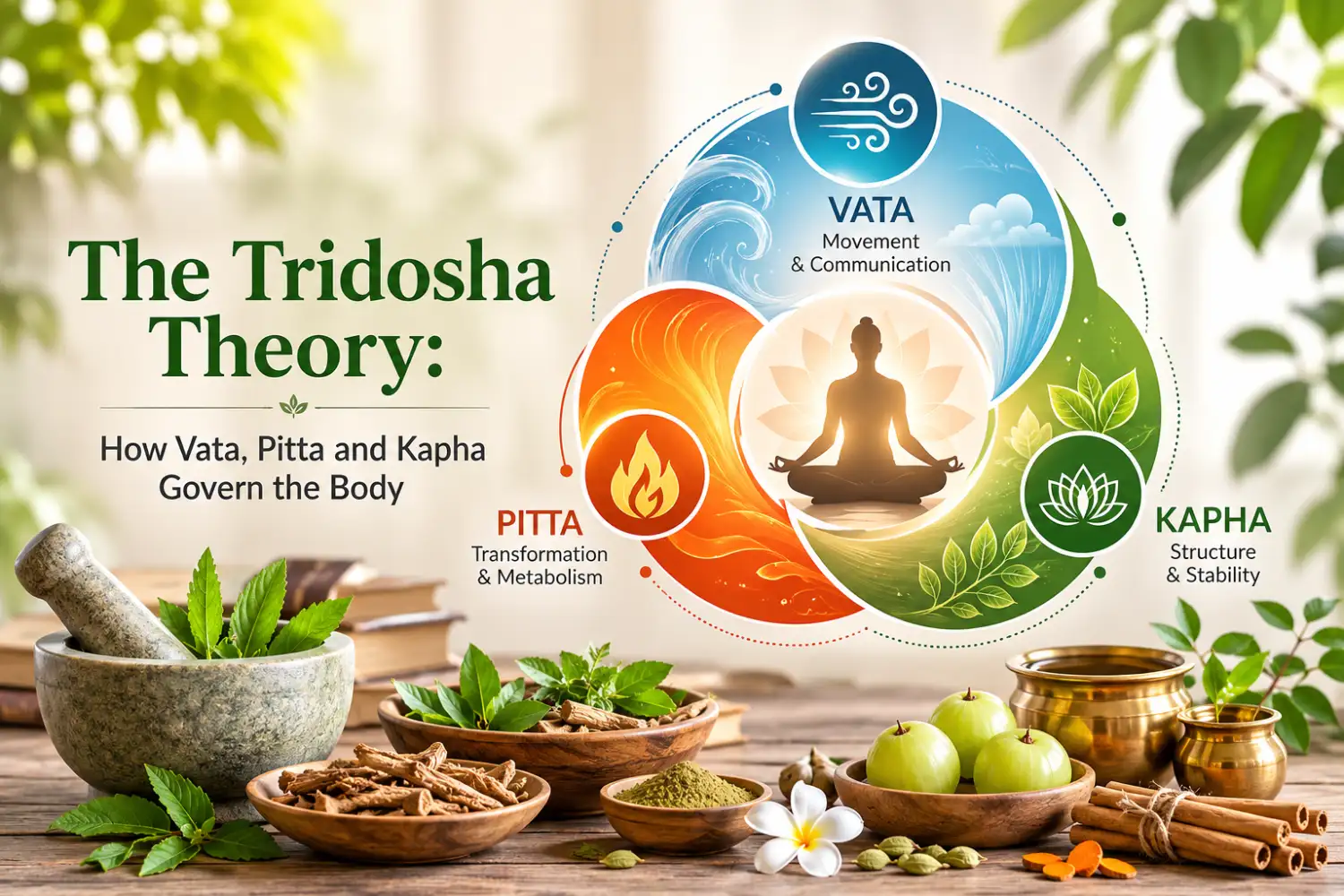
The Tridosha Theory: How Vata, Pitta and Kapha Govern the Body
The Tridosha theory is the foundation of Ayurvedic physiology. It holds that three functional energies,…
Panchakarma Specialisation After BAMS: Career Opportunities and Scope for Students
A student walks into the Panchakarma block for the first time in third year. Warm…
Best BAMS Colleges in UP: BAMS Admission 2027 Eligibility, NEET Requirements, Counselling and Fees
The best BAMS colleges in UP take admission only through NEET UG scores, followed by…
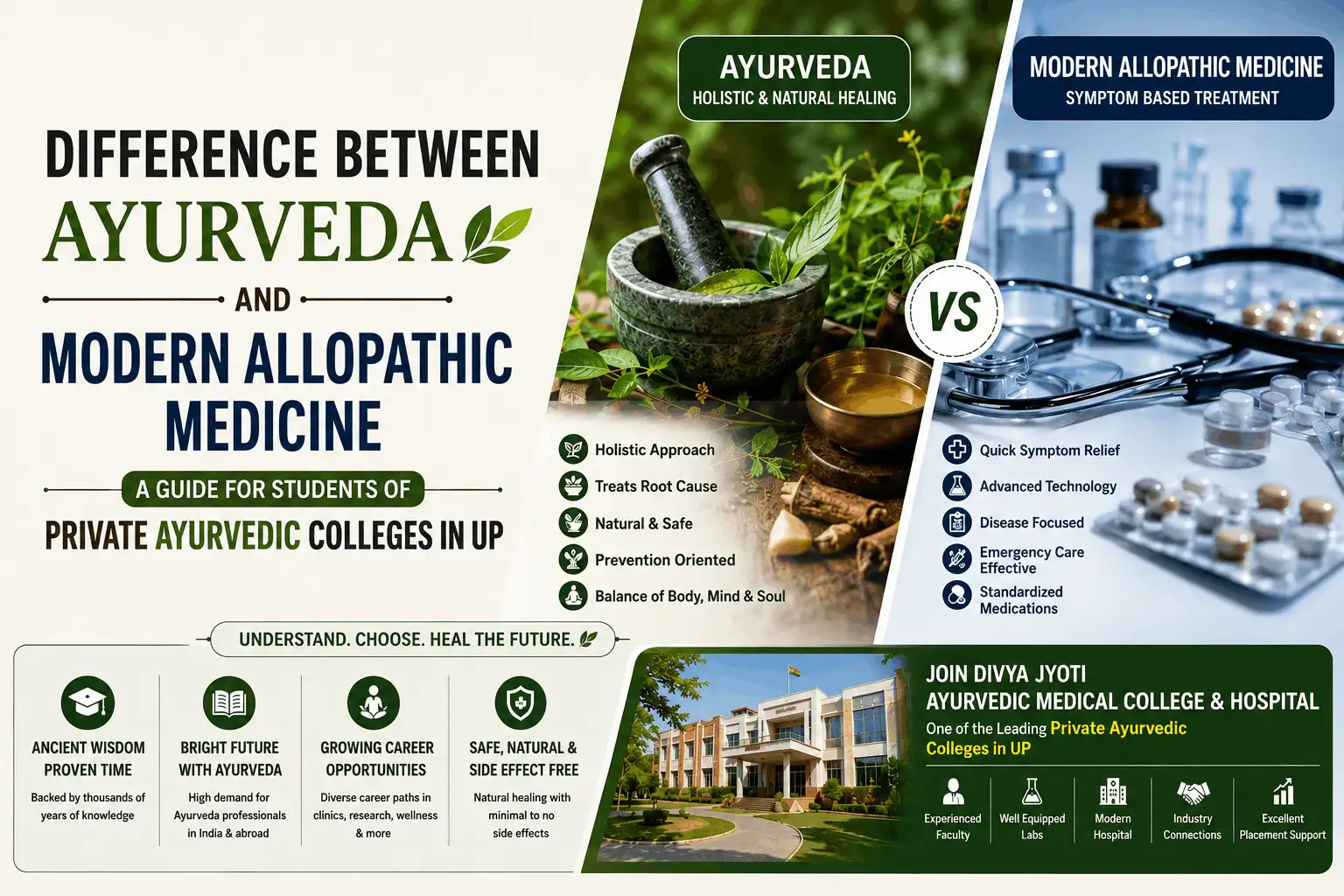
Difference Between Ayurveda and Modern Allopathic Medicine: A Guide for Students of Private Ayurvedic Colleges in UP
Ayurveda and modern allopathic medicine are two complete systems of healing that understand the human…