Sinusitis Cure in Ayurveda: Shalakya Tantra Guide
Home / BAMS / Sinusitis Cure in Ayurveda: Shalakya Tantra Guide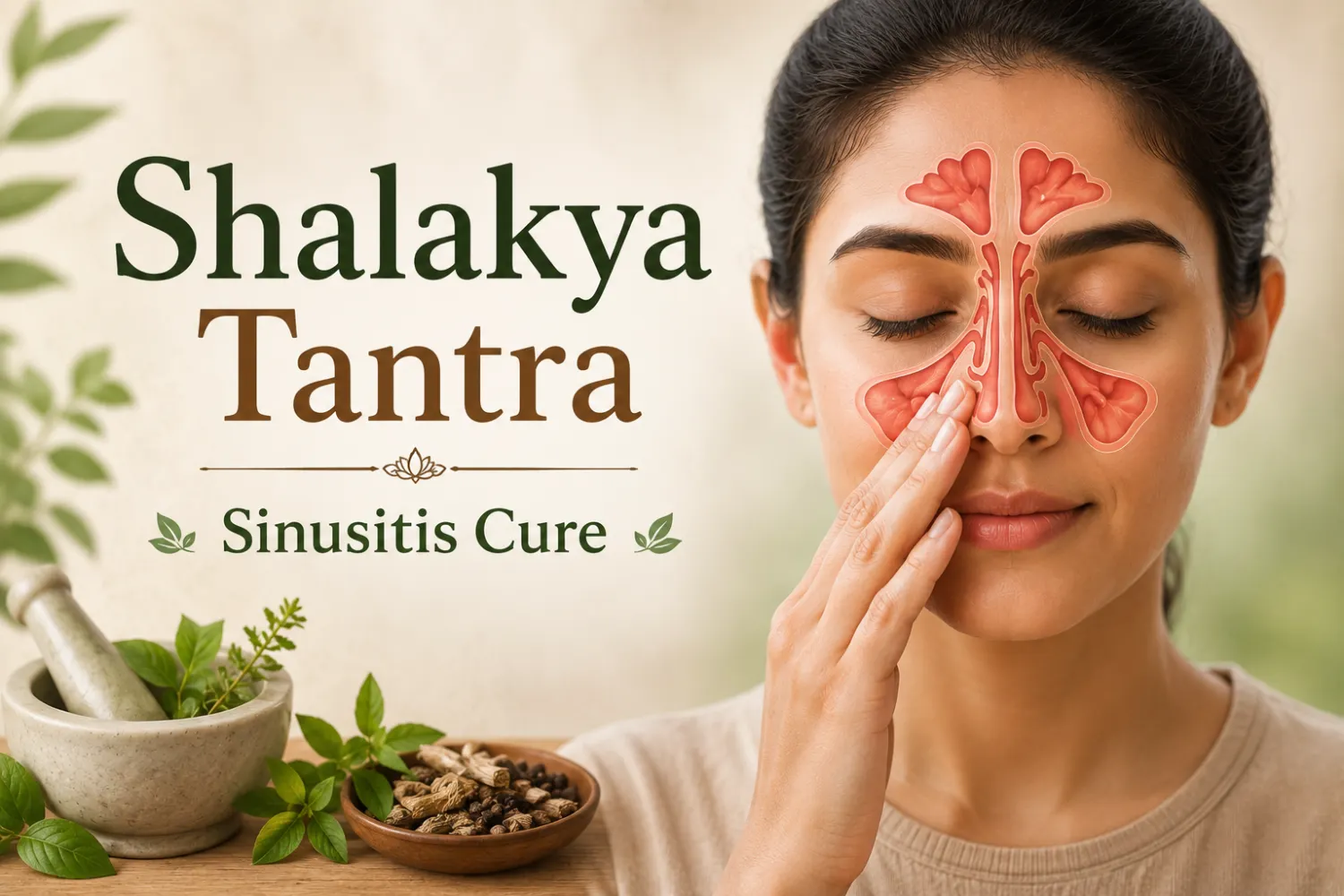
INTRODUCTION
Current healthcare data suggests that chronic sinusitis impacts over 30 million individuals annually, creating a significant burden on global health systems. For academic scholars and students, this highlights the necessity for holistic healthcare education that goes beyond symptomatic relief. In the context of the BAMS course, the study of Shalakya Tantra provides a rigorous, clinically tested framework for understanding such upper respiratory pathologies. This guide examines the theoretical and practical principles students must master to treat this pervasive condition effectively.
What Is Shalakya Tantra?
Shalakya Tantra is the specialised branch of Ayurveda dedicated to diagnosing and treating ailments occurring above the clavicle (Urdhwanga). This encompasses the eyes, ears, nose, throat, and head. The name is derived from the Sanskrit word Shalaka, referring to the precise probe-like instruments used for diagnosis and therapy in this region.
In the classical timeline of Ayurveda, specifically within the Sushruta Samhita, this discipline is a critical component of Ashtanga Ayurveda (the eight branches of medicine). It does not merely address local symptoms but investigates systemic imbalances affecting the cranial region. For a scholar, mastering this requires a deep understanding of Nidana (causative factors) and specific therapeutic interventions which are distinct from general medicine.
How Does Sinusitis Develop in Ayurveda?
In Ayurvedic pathology, sinusitis is correlated with Pratishyaya or Dushta Pratishyaya (chronic stage). The condition arises primarily from an imbalance in the Tridosha (the three bio-energies), with a specific aggravation of Kapha.
When Kapha—which possesses heavy, sticky, and cold qualities—accumulates in the head, it obstructs the Pranavaha Srotas (respiratory channels). This obstruction prevents the free flow of Vata (air), leading to pain, while Pitta (fire) involvement may cause inflammation.
Key pathological factors include:
- Agni Mandya: Weak digestive fire leads to the formation of Ama (metabolic toxins), which travels to the upper body.
- Viruddha Ahara: Consumption of incompatible foods that aggravate Kapha.
- Rituvaigunya: Failure to adapt to seasonal changes, causing immediate susceptibility to allergens.
What Role Does Shalakya Tantra Play in BAMS Course?
The BAMS course allocates approximately 300 teaching hours to this subject, blending deep theoretical study with intense practical application. It is during the third professional year that students transition from general anatomy to specialised ENT care.
The curriculum is designed to foster expertise in:
- Anatomy (Shareera): Detailed study of the cranial nerves and sinus cavities.
- Herbal pharmacology studies: Understanding Dravyaguna to select herbs like Haridra (Turmeric) or Tulsi (Holy Basil) based on their potency (Virya).
- Research Methodology: Opportunities to investigate classical formulations in modern laboratories.
What Are Key Nidana Panchaka for Sinusitis?
The Nidana Panchaka is a five-fold diagnostic protocol taught to differentiate between acute and chronic sinusitis. It ensures that the Ayurvedic treatment for chronic illness is targeted and evidence-based rather than generic.
- Nidana (Etiology): Identifying specific triggers such as exposure to cold wind (Sheet vayu) or daytime sleeping (Divaswapna).
- Samprapti (Pathogenesis): Mapping the trajectory of Dosha vitiation from the stomach to the cranial sinuses.
- Lakshana (Symptoms): observing specific signs like heaviness (Gaurava) or loss of smell (Ghraana Nasha).
How Is Sinusitis Treated in Shalakya Tantra?
The management protocol in Shalakya Tantra is unique because it prioritises Shodhana (purification) over simple palliative care. The central therapy is Nasya, where medicated oils or powders are administered through the nasal route to clear deep-seated obstruction.
Classical texts provide specific categorisations for these therapies to ensure safety and efficacy.
| Therapy Type | Classical Reference | Primary Action | Suitable Dosha |
|---|---|---|---|
| Navana Nasya | Charaka Samhita Siddhi Sthana | Lubricates dry channels and strengthens mucosa | Vata dominant |
| Avapeeda Nasya | Sushruta Samhita | Expels toxins aggressively through secretion | Kapha sinusitis |
| Pratimarsha Nasya | Ashtanga Hridaya | Daily low-dose maintenance for prevention | All Prakriti types |
| Dhuma | Vagbhata texts | Clears residual obstruction via medicated smoke | Pitta-Kapha mix |
What Lifestyle Practices Support Recovery?
A vital part of the curriculum involves teaching patients how to maintain health through Dinacharya (daily regimen). Students learn that clinical treatments must be supported by lifestyle modifications to prevent relapse.
Recommendations often include:
- Dietary Adjustments: Advising warm, light foods and restricting dairy to reduce Kapha load.
- Pranayama: Techniques like Anulom Vilom to mechanically clear the respiratory pathways.
- Steam Inhalation: Using herbs like Eucalyptus or Mint to liquefy mucus naturally.
How Does BAMS Training Prepare for Such Cases?
The transition from a student to a practitioner occurs through rigorous Ayurvedic clinical training. In an NABH-accredited teaching hospital, interns are exposed to a high volume of OPD and IPD cases.
This practical immersion allows students to:
- Master the science of pulse diagnosis (Nadi Pariksha) to detect subtle inflammation.
- Perform complex procedures like Shirovirechana (head evacuation) under supervision.
- Develop distinct career pathways in specialised chronic disease management.
Conclusion
The study of sinusitis through Shalakya Tantra offers a window into the precision of Ayurvedic medicine. It is a discipline that demands patience, academic rigour, and a deep respect for classical wisdom. We invite you to observe a clinical training session at our hospital to witness how these ancient principles are applied in a modern medical context.
Follow Us: Facebook | X | LinkedIn | You Tube
Frequently Asked Questions
It is the only branch dedicated exclusively to upper-body ailments, requiring specialised surgical and therapeutic instruments known as Shalakas.
When combined with lifestyle changes, Nasya effectively removes the root cause (Kapha obstruction), offering long-term relief unlike temporary decongestants.
Every patient reacts differently to bio-energies. Understanding their constitution allows the physician to tailor the potency of the medication to avoid adverse reactions.
Related Blogs

How NEP 2020 Is Transforming Ayurvedic Education in India
Education in India has been changing faster than we can keep track of. But for…
Are Ayurveda Courses in India Tougher Than MBBS?
Ayurveda courses in India are not easier than MBBS. They are difficult in a different…
Understanding Dosha Balance in Kayachikitsa: A Core Pillar of Ayurvedic Medicine Courses
INTRODUCTION Recent educational data indicate a 40% rise in global interest regarding integrative medicine, with…

Panchakarma Specialisation After BAMS: Career Opportunities and Scope for Students
A student walks into the Panchakarma block for the first time in third year. Warm…
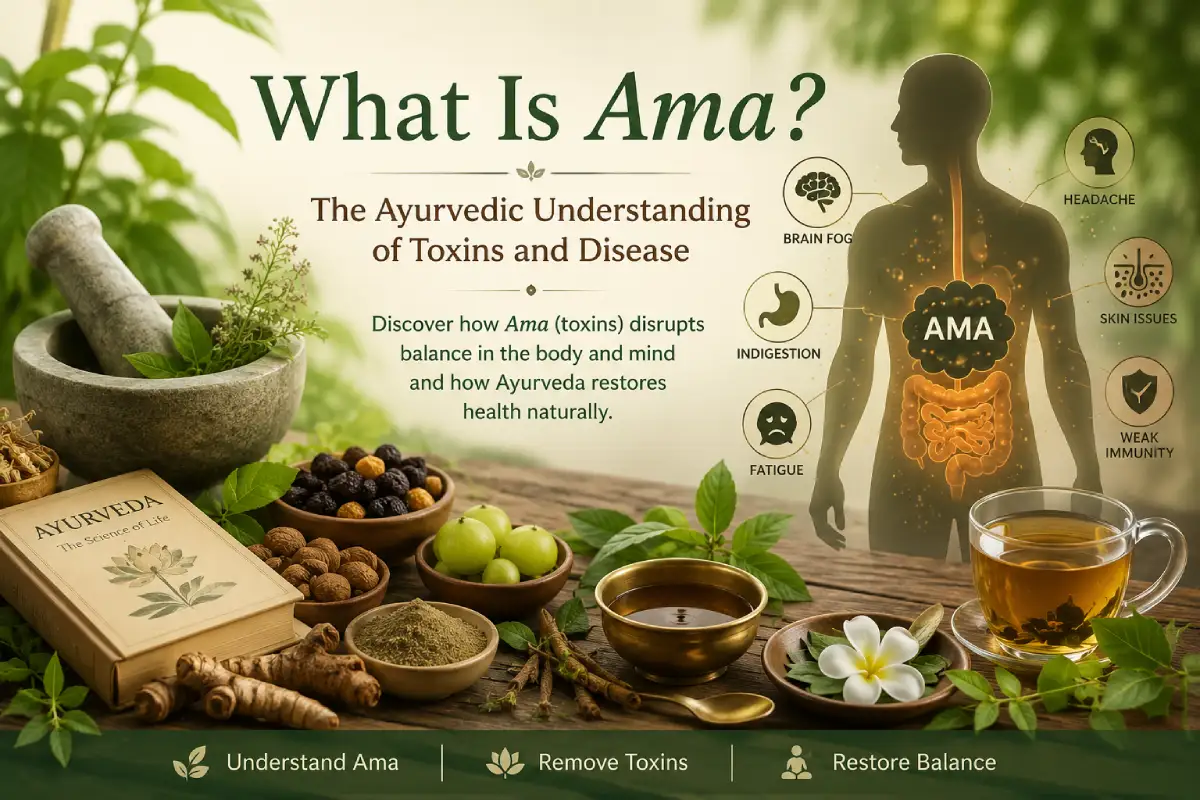
What Is Ama? The Ayurvedic Understanding of Toxins and Disease
Quick Update Ama is the heavy, sticky residue formed when agni, the digestive fire, is…

BAMS Courses and Their Rising Global Popularity
The Rise of Ayurveda Over the past few years, there has been a significant resurgence…