
BAMS Courses and Their Rising Global Popularity
Home / BAMS / BAMS Courses and Their Rising Global Popularity
The Rise of Ayurveda
Over the past few years, there has been a significant resurgence in Ayurveda. A global shift towards holistic and natural healthcare has sparked increasing demand for skilled Ayurvedic practitioners. One of the primary paths into this profession is through pursuing a BAMS (Bachelor of Ayurvedic Medicine and Surgery) degree. So if you are an aspirant, we have some useful insights related to BAMS course details and Ayurvedic courses for you to help you in your further academic pathway.
What is BAMS?
BAMS is short for Bachelor of Ayurvedic Medicine and Surgery. It’s an undergraduate course with the traditional Ayurveda combined with contemporary medical science. It is typically a 5.5-year program, with a one-year internship. The students are taught to diagnose, treat, and even provide preventive care based on Ayurvedic practices.
What Are the BAMS Course Details?
When we discuss BAMS course details, it’s crucial to understand that the syllabus is quite comprehensive. It extends to both theory and practical training. Some of the major subjects are:
- Padarth Vigyan and Ayurveda History: Introduction to Ayurveda and its development over the course of centuries.
- Rachana Sharir (Anatomy): Anatomy of the human body as per Ayurvedic texts.
- Kriya Sharir (Physiology): The functioning of the body.
- Dravyaguna Vigyan: Study of herbs and natural remedies.
- Roga Nidana (Diagnosis): Disease pathology in Ayurveda.
- Rasashastra and Bhaishajya Kalpana: Manufacturing Ayurvedic medicines.
- Panchakarma: Detoxification therapies and rejuvenation procedures.
Modern medicine subjects such as pathology, pharmacology, and surgery are also included in the Ayurveda courses. This makes the graduates efficient in both traditional and modern methods.
As per the Ministry of AYUSH, there are more than 400 Ayuvedic colleges in India that have been approved to offer courses in BAMS. The intake is from 50 to 150 students per year for each college. Among the top BAMS colleges in Delhi, DJ Dental stands as a reputed and trusted name.
Is BAMS a Doctor Course?
Yes, BAMS is a medical degree. The graduates are legally accepted as Ayurvedic doctors. They can practice medicine, prescribe Ayurvedic drugs, and perform certain procedures.
But some ask if a BAMS physician is equal to an MBBS physician. The reply is no. Though both are medical qualifications, MBBS emphasizes modern medicine. BAMS emphasizes Ayurveda. Both are given respect, but they work in different healthcare fields.
How Many Subjects Are in BAMS?
The curriculum of BAMS is wide-ranging. Students typically read more than 50 subjects during the course. These are distributed over four professional years and the internship. Some institutions also add research methodology and community health to the course.
The range of topics provides balanced knowledge of both ancient Ayurvedic science and contemporary medical practice.
Which Is The Best Specialisation in BAMS?
Several students ask which course is best in BAMS. Most sought-after fields are:
- Panchakarma: Detox and rejuvenation treatments.
- Dravyaguna Vigyan: Science of medicinal plants and their medicinal applications.
- Rasashastra: Ayurveda pharmaceutical sciences.
The “best” option is subject to the student’s interest. A person who likes herbal drugs may find Dravyaguna more appealing. A person who likes therapies and patient care may opt for Panchakarma.
What Are The Career Prospects After BAMS?
Finishing a BAMS degree provides a number of career options:
- Clinical Practice: Establishing a private clinic or working in Ayurvedic hospitals.
- Government Services: Being part of AYUSH ministries or public health departments.
- Research and Development: Conducting new herbal drugs or clinical trials.
- Teaching: Becoming part of colleges as Ayurvedic professors.
- Pharmaceutical Industry: Manufacturing and testing Ayurvedic drugs.
The international interest in Ayurveda has also opened up international opportunities. Foreign nations such as the USA, Germany, and Japan are gradually incorporating Ayurvedic practices into their healthcare system.
As per a report by the World Health Organization in 2022, close to 80 percent of the world’s population depends upon traditional medicine for some portion of their main healthcare. This evidently indicates the increasing applicability of Ayurveda.
Is There an International Popularity of Ayurveda Courses
Ayurveda is not confined to India anymore. More foreign students are applying to BAMS courses. Ayurveda is recognized by many countries as a means of wellness, lifestyle management, and management of chronic diseases.
Ayurvedic therapies such as Panchakarma, herbal, and yoga therapy are becoming popular all across the globe. This has inspired universities to offer collaboration on a global level. Some graduates of BAMS also open wellness centers overseas.
Why Choose Ayurveda Courses?
Ayurveda programs are distinctive. They educate one to consider health as a whole. It’s not merely a matter of treating ailments but being in balance. Students are educated on diet, habits, mental well-being, and treatments besides medications.
BAMS alumni tend to be patient-centred. They focus equally on prevention and cure. This is something that attracts people in this age when lifestyle conditions are on the rise.
Conclusion
If you are contemplating BAMS course information or looking for Ayurveda courses, this stream has tradition and contemporary applicability. The international recognition of Ayurveda has made a career in BAMS look very appealing.
The journey is tough but worthwhile. You acquire ancient wisdom, contemporary medical science, and practical therapies. BAMS graduates can be employed in clinics, hospitals, research, education, or can set up international wellness centres .
Ayurveda is not only medicine. It is a way of life. And with a BAMS degree, you can truly make a difference in people’s lives.
BAMS is not a choice about a career. It is about continuing a 5,000-year tradition of natural cures and holistic wellness.
FAQs
Is BAMS a doctor course?
Yes, it is so. The graduates become licensed Ayurvedic doctors who can practice medicine and prescribe treatment.
How many subjects are in BAMS?
There are more than 50 subjects in total. These include both Ayurvedic and conventional knowledge of medicine.
Which is the best course in BAMS?
Depends on your interest. Panchakarma, Dravyaguna, and Rasashastra are favourites.
Is a BAMS doctor equal to an MBBS?
No. Both are medical degrees, but BAMS is in Ayurveda and MBBS in modern medicine. They are both held in their own respect.
Can I write Dr. after a BAMS degree?
Yes, most BAMS graduates are referred to as doctors and use the title before their names.
Related Blogs
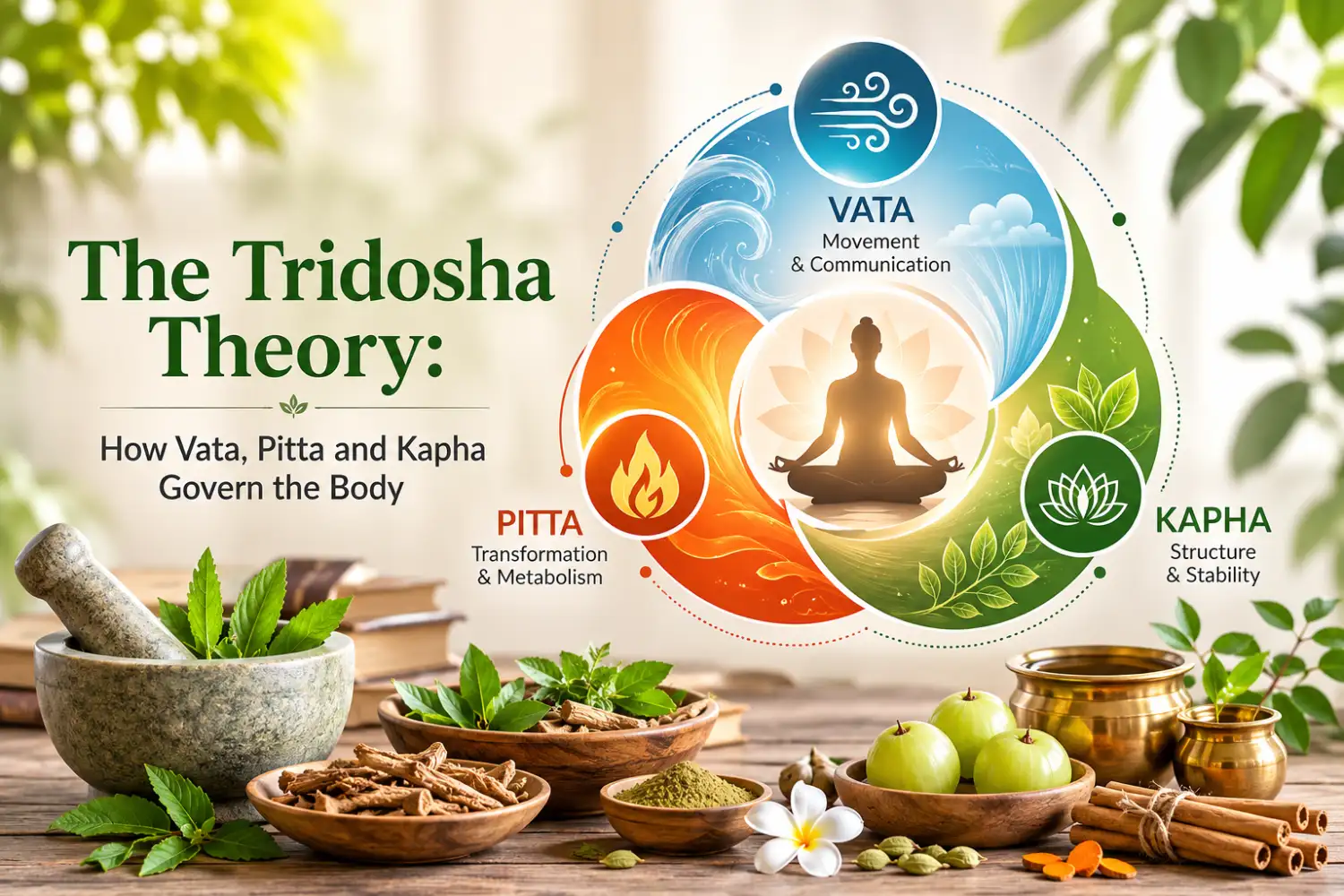
The Tridosha Theory: How Vata, Pitta and Kapha Govern the Body
The Tridosha theory is the foundation of Ayurvedic physiology. It holds that three functional energies,…
Can You Practise Modern Medicine With Ayurvedic Courses in Delhi?
No , a BAMS degree from ayurvedic courses in Delhi does not give a graduate…
Is BAMS a Safe Career Choice In This Age of Modern Sciences?
INTRODUCTION Current healthcare trends indicate a seismic shift in patient preference. The Ayush sector in…

Kayachikitsa in Ayurveda: Career Scope and Opportunities from an Ayurvedic Medical College in Delhi NCR
What is Kayachikitsa, and what career follows after BAMS? Kayachikitsa is the general medicine branch…
Panchakarma Specialisation After BAMS: Career Opportunities and Scope for Students
A student walks into the Panchakarma block for the first time in third year. Warm…

Government Jobs After BAMS: Roles, Recruitment Routes and Eligibility for Students of Private BAMS Colleges in Noida
Students from private BAMS colleges in Noida and Delhi NCR can apply for government jobs…